

A plumber just walked out of your house and said you need a full sewer line replacement. You are looking at thousands of dollars of work, possible yard digging, and a decision you do not feel ready to make.
You are also not entirely sure how they got to that recommendation.
Backups, sewer smells, gurgling toilets, and slow drains all point to a sewer line problem. But a full replacement is not always the only answer; there may be other drainage solutions available, and even when it is the right call, a trustworthy plumber should be able to walk you through exactly why.
This checklist gives you what to verify, what to ask, and what to look for before you sign off on a full sewer line replacement service. The goal is not to talk you out of the work. It is to help you say yes (or no) with confidence.
Key Takeaways
- A full sewer line replacement is sometimes the right call, but it should never be the only option presented without evidence.
- A trustworthy plumber should show you the inside of your sewer line, usually with a camera inspection, before recommending replacement.
- Backups, slow drains, and sewer smells can have multiple causes. Some need a full replacement. Many do not.
- Spot repairs, hydro jetting, and trenchless options are real drainage solutions worth understanding before agreeing to a full dig.
- A second opinion is reasonable and not insulting. Any plumber who pushes back hard on that is a warning sign.
What a Full Sewer Line Replacement Involves
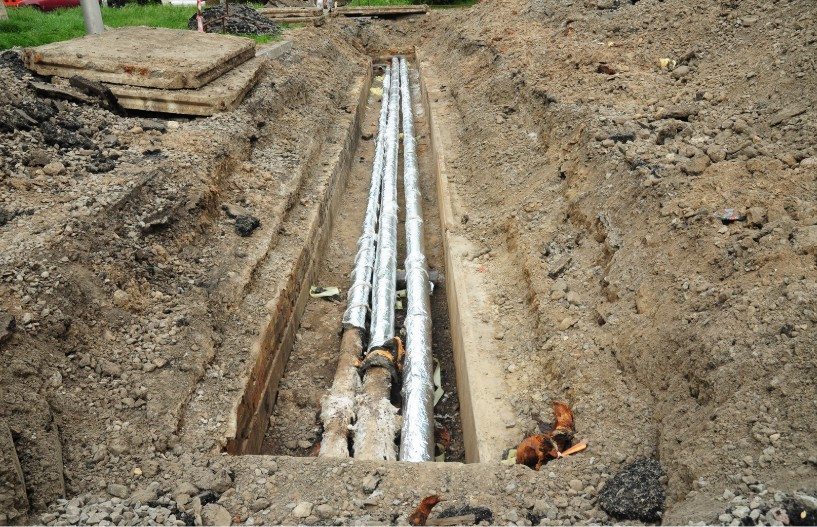
A full sewer line replacement means the main sewer line running from your home to the city connection or septic tank is fully removed and replaced. It is a real job. It usually involves excavation across part of your yard or driveway, permits, and a chunk of time.
That is why the recommendation deserves real evidence behind it. A new sewer line should solve the problem for decades, but only if a full replacement is the actual fix for what is going wrong underground.
Verify the Diagnoses
Before you agree to a full replacement, you should know exactly what is happening inside your sewer line. Recommendations made without this evidence are not based on enough information.
- Ask for a camera inspection. A sewer scope camera shows the inside of the line in real time. If a plumber has recommended a full replacement without running a camera, that is the first thing to ask about.
- Watch the camera footage with the plumber. You should see the line yourself and have the plumber narrate what you are looking at.
- Get the footage saved. Ask for a copy of the video or photos. Any plumber confident in the diagnosis should be happy to share it.
- Confirm the location of the issue. The footage should pinpoint where in the line the problem is, how long the affected section is, and what the rest of the line looks like.
- Identify the root cause. Root intrusion, a collapsed section, a belly in the line, separated joints, corroded cast iron, or aging clay pipe all lead to different repair options.
Pro Tip: A bad spot in a 10-foot section of an otherwise healthy 60-foot line usually does not justify replacing the entire line. The camera tells that story.
Monitor the Symptoms
Symptoms point to a sewer line problem, but they do not automatically point to full replacement. Use this list to organize what you are actually seeing at home.
- Recurring backups in multiple drains
- Sewer smells in or around the house
- Slow drains throughout the home.
- Gurgling toilets when other fixtures run
- Patches of unusually green grass or wet spots in the yard
- Sewage backing up into tubs or showers when you flush
Multiple symptoms appearing together usually mean a real main line issue is in play. The question is still scope, not whether something is wrong.
Questions to Ask Before Agreeing to a Full Replacement
A trustworthy plumber should be ready for these questions and answer them clearly. If the answers feel rushed, vague, or defensive, that is information too.
- What did the camera inspection show, specifically? You want concrete language: location, length, type of damage, condition of the rest of the line.
- Is a spot repair an option for the affected section? If only a portion of the line is failing, ask why a targeted repair would not work.
- Could hydro jetting or another drainage solution address the issue? For some buildup or root issues, clearing and inspecting the line first is the right next step.
- Is trenchless sewer repair an option here? Trenchless methods can sometimes replace or reline a sewer with less yard disruption than a full dig.
- What is the condition of the rest of the line? If 80 percent of the line is healthy, full replacement is harder to justify on the affected section alone.
- What permits and inspections are involved? Sewer work in Sonoma County typically involves permits. A plumber should know what the local process looks like.
- What is the written estimate, in detail? You want line items, scope, expected timeline, and what is and is not included.
Watch for Red Flags
Most plumbers do honest work. A few do not. These are signals worth paying attention to, especially when the recommendation is a big-ticket job.
- No camera inspection was performed
- The plumber will not share the camera footage
- High pressure to decide today
- No spot repair, hydro jetting, or trenchless alternatives mentioned
- Sharp resistance to a second opinion.
- Vague or missing written estimate
Getting a second opinion on a sewer line replacement service is normal. It is not insulting to the first plumber, and most reputable companies expect it on jobs of this size.
Understand the Alternatives Before You Decide
Full replacement is one tool. There are others that may apply depending on what the camera shows.
- Hydro jetting. High-pressure water cleaning that can clear roots, grease, and buildup. Sometimes resolves recurring backups when the line itself is still in good shape.
- Spot repair. Excavation and replacement of only the damaged section of line, leaving the rest in place. Often the right answer for localized failures.
- Trenchless sewer repair. Methods like pipe bursting or pipe lining that can replace or reline the sewer with less surface disruption. Not always possible, but worth asking about.
- Camera inspection plus monitoring. For early-stage issues, a documented baseline and a maintenance plan can buy time while you plan a larger repair.
A line in genuinely poor condition along most of its length usually does need to be replaced. A full replacement should be the conclusion after the alternatives have been considered, not the opening offer.
When Full Replacement is the Right Call
To be clear, a full sewer line replacement is sometimes the only practical fix. Common situations include:
- Aging clay or Orangeburg pipe failing throughout the line
- Heavy root intrusion in multiple sections
- Significant bellies, separations, or collapses across the line
- Older cast iron that is corroded along most of its length
- A line that has been spot-repaired multiple times already
In those cases, replacement is a long-term solution. The key is that the recommendation is backed by what the camera shows and can be easily explained to you.
How to Know When to Decide
You are in a reasonable position to decide if you can answer yes to most of these:
- You have seen the camera inspection footage
- You understand what is wrong, where it is, and how much of the line is affected
- The plumber explained why repair or trenchless options are or are not viable for your situation
- You have a detailed written estimate
- You feel no pressure to decide today
- A second opinion confirms (or refines) the original recommendation
If most of those are checked, the path forward is much clearer, whether that path is a full replacement or another option.
Not Sure if a Full Replacement is Really Needed?
A second opinion costs you nothing but a little time. If you have been told you need a full sewer line replacement and something about the recommendation does not sit right,
Our team at Holman Plumbing can run a camera inspection, walk through the footage with you, and lay out the actual options.
Contact us online or call Holman Plumbing at (707) 495-5002 to schedule service.