

Finding out your sewer line is failing is stressful on its own. Then comes the part that makes a lot of Sonoma County homeowners wince: the idea of an excavator tearing a trench across the front yard, through the driveway, and past the landscaping you spent years on.
That image is exactly why so many people start searching for a less invasive option. The good news is that trenchless methods, often called no dig sewer line repair, can fix or replace a sewer line with far less digging than traditional excavation.
The honest part is that trenchless is not right for every line. This post works through the questions homeowners and property owners ask most, so you can understand what trenchless repair is, when it shines, and when it is not the answer.
Key Takeaways
- No dig sewer line repair uses small access points instead of a long trench across your property.
- The two most common trenchless methods are pipe lining (CIPP) and pipe bursting.
- Trenchless works best for lines with damage that is contained or moderate, not lines that have fully collapsed.
- A camera inspection is what determines whether a line qualifies. There is no reliable way to know without seeing inside.
- When it fits, trenchless usually means less yard damage, faster completion, and lower restoration costs than traditional digging.
What is No Dig Sewer Line Repair?
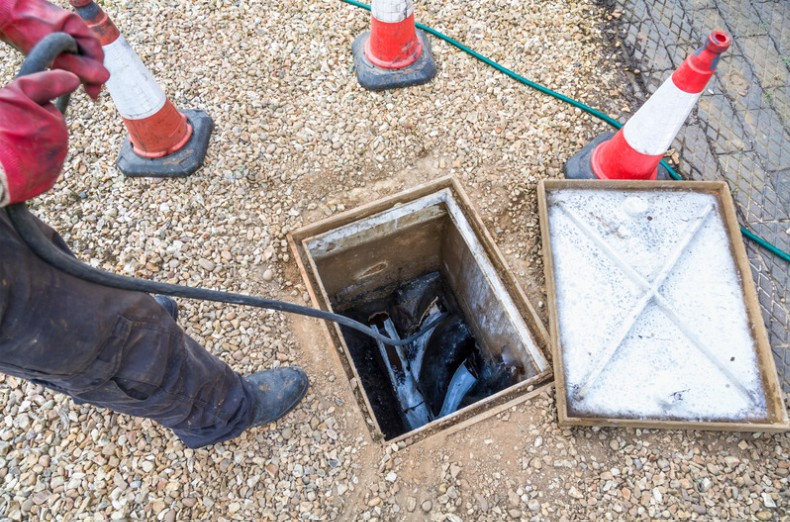
No dig sewer line repair is a way to fix or replace a damaged sewer line without digging a long trench across your property. Instead of excavating the entire length of the pipe, a plumber accesses the line through one or two small entry points and works from there.
The result is a restored sewer line with your lawn, driveway, walkways, and landscaping largely left intact. That is the core appeal: solving the problem underground without turning the surface into a construction site.
How Does Trenchless Sewer Repair Work?
It depends on the method, but both common approaches share the same idea: work inside or along the existing pipe path rather than exposing the whole line.
The two methods you will hear about most are:
- Pipe lining (CIPP): A resin-coated liner is inserted into the existing pipe, then cured in place to form a new, seamless pipe inside the old one. This is often called cured-in-place pipe.
- Pipe bursting: A new pipe is pulled through the path of the old one while a bursting head breaks the old pipe outward, replacing it in a single pass.
Lining creates a new pipe inside your existing one. Bursting replaces the old pipe with a new one along the same path. Both avoid a full-length trench.
What is the Different Between Pipe Lining and Bursting?
The main difference is whether the old pipe stays or goes.
- Pipe lining keeps the existing pipe and builds a new surface inside it. It suits pipes with cracks, leaks, or moderate corrosion where the pipe still holds its shape.
- Pipe bursting removes the old pipe entirely and replaces it. It suits pipes that are too deteriorated to line, or situations where a larger pipe is wanted.
Which one fits your line depends on the pipe’s condition, and that is determined by inspection rather than guesswork.
When Trenchless Is and Isn’t the Right Call
Does Every Sewer Line Qualify for Trenchless Repair?
No, and this is the most important thing to understand. Trenchless is an excellent solution in the right situation, but not every line qualifies.
Trenchless methods generally work well when:
- The damage is contained or moderate (cracks, leaks, root intrusion, corrosion)
- The existing pipe path is still intact enough to line or burst through
- Access points can be reached without major obstruction
A line that has fully collapsed, severely sagged, or shifted out of alignment may not be a candidate for trenchless work. In those cases, traditional excavation is sometimes the only way to fix the problem correctly.
How Do I Know if My Sewer Line Qualifies?
A camera inspection is the answer. There is no reliable way to judge the inside of a sewer line from above ground, and reputable plumbers do not recommend a method without looking first.
During a camera inspection, a small camera is fed through the line so the plumber can see the actual condition: where the damage is, how extensive it is, and whether the pipe can support a liner or a bursting pull. That footage is what turns a guess into a real recommendation.
If a plumber recommends a specific repair method without performing a camera inspection, it is reasonable to ask for one before committing. Seeing inside the line protects you from paying for the wrong fix.
Why is the Type of Damage So Important?
Because the method has to match the problem. A liner needs a pipe that still holds its general shape. A bursting pull needs a path it can follow. When the damage is too severe, neither method can do its job, and forcing a trenchless approach onto the wrong line leads to a fix that does not last.
This is also why two homes with similar symptoms can end up with different recommendations. The symptoms you notice above ground (backups, slow drains, sewer smells) do not tell the full story. The condition of the pipe does.
What’s Involved in a Trenchless Repair?
Most trenchless projects follow a similar arc:
- Camera inspection to evaluate the line and confirm whether trenchless is viable
- Preparing access points at one or two locations along the line
- Installing the new line using lining or bursting
- Testing to confirm proper flow before the job is considered done
The exact steps vary by property and method, but the inspection-first approach is consistent. The inspection drives every decision that follows.
How Long Does a Trenchless Sewer Repair Take?
Many trenchless projects are completed within one to two days, depending on the length of the line, the method used, and site conditions. Shorter, localized repairs can sometimes be finished faster.
That speed is one of the practical advantages. Traditional excavation often takes longer because of the digging itself and the cleanup and restoration afterward.
Is Trenchless Repair More Expensive?
Costs vary by project; there are many factors that contribute to the final price of a trenchless repair.
Factors that affect trenchless cost include:
- The length of the line being repaired or replaced
- The method used (lining versus bursting)
- The depth and accessibility of the line
- Soil and site conditions
- Permit requirements
Trenchless can carry a higher upfront cost than the digging itself, but it often reduces the total project cost once you factor in restoration. With traditional excavation, repairing torn-up landscaping, driveways, and hardscaping can add up quickly. Trenchless avoids much of that.
Does Trenchless Repair Last as Long as Traditional Replacement?
Yes, in most cases. The materials used in modern trenchless work are durable and designed for a long service life, often comparable to or exceeding traditional pipe.
When the method is properly matched to the line, a trenchless repair is a long-term solution, not a temporary patch.
Still Have Questions About Your Sewer Line?
With over 10 years of experience and over 6 years serving the residents of Sonoma County, our team at Holman Plumbing knows exactly how local soil conditions and aging sewer infrastructure can affect repairs and replacements.
If you are weighing a less invasive option for a sewer repair or replacement, the first step is finding out whether your line qualifies. A camera inspection answers that question before any commitment.
Our team will be happy to walk you through the camera inspection, discuss your options, and provide honest recommendations on how to move forward.
Contact us online or call Holman Plumbing at (707) 495-5002 to schedule a sewer camera inspection in Sonoma County and find out whether a no dig sewer line repair is right for your home.